בחזרה לבלוג←
וייב מרקטינג: איך עושים שיווק B2B מבוסס AI בלי להישמע גנריים?
חניתה יודובסקי


צוות רזה עם AI יכול לייצר כמו מחלקה שלמה. השאלה היא אם זה עדיין נשמע כמוכם.
אמל”ק: וייב מרקטינג (Vibe Marketing) היא דרך עבודה שבה אדם מגדיר את האסטרטגיה והכיוון, וה-AI מבצע את רוב העבודה: מחקר, ניסוח, התאמת פורמטים והפצה. ב-B2B זה מאפשר לצוות רזה לעבוד בקצב של מחלקה שלמה, אבל יש מחיר למי שמשחרר את ההגה: מחקר שפורסם ב-SSRN מצא שכשמגלים לקהל שהוויזואל במודעה נוצר ב-AI, האפקטיביות שלה יורדת בעד 31.5%, גם אם בלי הגילוי היא מביאה 19% יותר הקלקות. ובמאי 2026 לינקדאין התחילה לדכא פוסטים גנריים שנכתבו ב-AI.
רוב החברות שהתחילו להשתמש ב-AI בשיווק נשמעות עכשיו בדיוק אותו דבר, עם אותם ביטויים, אותן תבניות של שלוש נקודות ואותו טון מלוטש שלא אומר כלום.
לגישה שמנסה לפתור את זה קוראים וייב מרקטינג, ובהגדרה המלאה שלה התעמקתי כאן. במאמר הזה אני מתמקדת בשאלה אחת: איך זה עובד בשיווק B2B, שבו מחזור המכירה ארוך, והעסקה נסגרת על אמון.
מאיפה הגיע המונח?
הכול התחיל מ״vibe coding״, מונח שאנדריי קרפת׳י, מהצוות המייסד של OpenAI ולשעבר מנהל ה-AI של טסלה, טבע בפברואר 2025. הרעיון הוא שנותנים ל-AI לכתוב את הקוד, ואתם מכוונים, מתקנים ומחליטים במקום להקליד כל שורה לבד.
מכאן זה קפץ לשיווק.
לפי המדריך של averi.ai, ג׳יימס דיקרסון הראה לגרג איזנברג תהליכי אוטומציה שבנה לשיווק, ואיזנברג הציע לקרוא לזה וייב מרקטינג. במרץ 2025 איזנברג פרסם את זה בציוץ, ומשם המונח התפשט. (החברה averi.ai מוכרת כלים בתחום, וזה המקור היחיד לסיפור המלא.)
מה זה באמת
וייב מרקטינג מחלק את העבודה לפי הרצף הזה:
מגדירים אסטרטגיה וכיוון יצירתי ← ה-AI מבצע מחקר, ניסוח, אופטימיזציה והפצה ← בודקים, מכוונים ומתקנים ← חוזרים על הלולאה.

זו לולאה רציפה, ואין בה העברת עבודה ממחלקה למחלקה. averi.ai משווים את זה למחלקת שיווק קלאסית של 12 עד 18 תפקידים, שעולה 850 אלף עד 1.2 מיליון דולר בשנה ועובדת במחזורים של שלושה עד שישה חודשים, מול צוות של שניים עד ארבעה אנשים עם AI שמגיע לתוצרים דומים בשלושה עד שישה ימים. אלה המספרים שלהם, בלי מחקר עצמאי מאחוריהם, אבל הכיוון מוכר לכל מי שעבד בשני המודלים.
אותו מדריך מסכם את הגישה במסגרת שהם קוראים לה VIBE:
מהירות (Velocity): לעבוד בקצב של מה שקורה ברשת, לקצר לוחות זמנים מחודשים לימים.
זהות (Identity): לעצב את המסר סביב מי שהלקוח שואף להיות, מעבר למה שהוא צריך עכשיו.
בלי גבולות (Boundaryless): להפיל את המחיצות בין קריאייטיב, דאטה ואסטרטגיה.
רגש קודם (Emotions First): לפתוח בתחושה שהמותג יוצר אצל אנשים, ורק אחר כך ברשימת הפיצ׳רים.
הבעיה: AI SLOP הורג אמון, במיוחד ב-B2B
יש שם לתוכן שנוצר בשתי דקות ומרגיש בדיוק ככה, קוראים לו AI SLOP. הוא נראה מקצועי, מתפרסם בקלות, והופך כל פיד לאותו מרק אפור.
ב-B2C זה מעצבן, ב-B2B זה יקר. מחזור מכירה ב-B2B נמשך חודשים, לפעמים שנה, והוא בנוי כולו על אמון. כשהתוכן שלכם נראה כמו של כולם, קורה תהליך כזה:
האמון נשחק ← הבידול נעלם ← הקהל דוחה החלטות.

מחקר שפורסם ב-SSRN באוקטובר 2025 מצא שמודעות עם ויזואל שנוצר ב-GenAI הביאו 19% יותר הקלקות ממודעות רגילות. אבל באותו מחקר, כשמותגים חשפו שהמודעה נוצרה ב-AI, האפקטיביות שלה ירדה בעד 31.5%. והקהל מריח את זה.

ובמאי 2026 הצטרפה גם לינקדאין: היא הודיעה שהיא מדכאת פוסטים גנריים שנכתבו ב-AI, כך שהם נשארים אצל החיבורים הישירים ולא מופצים הלאה. בסוף יולי נוסף גם כפתור דיווח על AI slop.
תכל׳ס, ככל שיותר חברות נשפכות לאותו ים של תוכן אוטומטי, מי שנשאר אנושי הוא היחיד שבכלל בולט מעל המים.
למה אנחנו עדיין צריכים לאחוז בהגה?
וייב מרקטינג עובד רק כשאנחנו נשארים מעורבים.
בקוד יש פידבק מיידי, זה עובד או לא עובד. בשיווק אין מנגנון כזה. אי אפשר להריץ את המותג על מצב טיסה ולקוות לטוב, צריך לדעת מה ה״וייב״ שלכם לפני שמתחילים, כי את הבטחת המותג לא מעבירים לאוטומט.
בפועל זה אומר חלוקה ברורה:
במה ה-AI מצוין: גרסאות שונות של אותו מסר, מחקר ראשוני, התאמת פורמטים, ניסוח מחדש ורעיונות גולמיים.
איפה ה-AI חלש: דעה מקורית, החלטה אסטרטגית, וכל רגע שדורש אומץ. ברגע שנותנים למכונה להחליט במה מאמינים, מאבדים את מה שמתחרים לא יכולים להעתיק.
אני אודה במשהו. גם אצלי, באמצע יום עמוס, יש פיתוי לתת ל-AI לסגור פוסט לבד ולהמשיך הלאה, ודווקא ברגעים האלה אני עוצרת. כי הפוסט שייכתב לבד יהיה זה שיישמע כמו כולם, והקהל יזהה (אלא אם הייתי חכמה מספיק, ואני כן, ודאגתי לאפטם, מהמילה אופטימיזציה, את התשתית כך שכל טיוטה תישמע כמה שיותר כמוני).
איך זה נראה בלינקדאין?
לינקדאין היא המקום שבו וייב מרקטינג בא לידי ביטוי הכי חזק ב-B2B, כי שם תוכן של מייסד בונה אמון לאורך חודשים.
קחו מערך טיפוסי שאני בונה ללקוח:
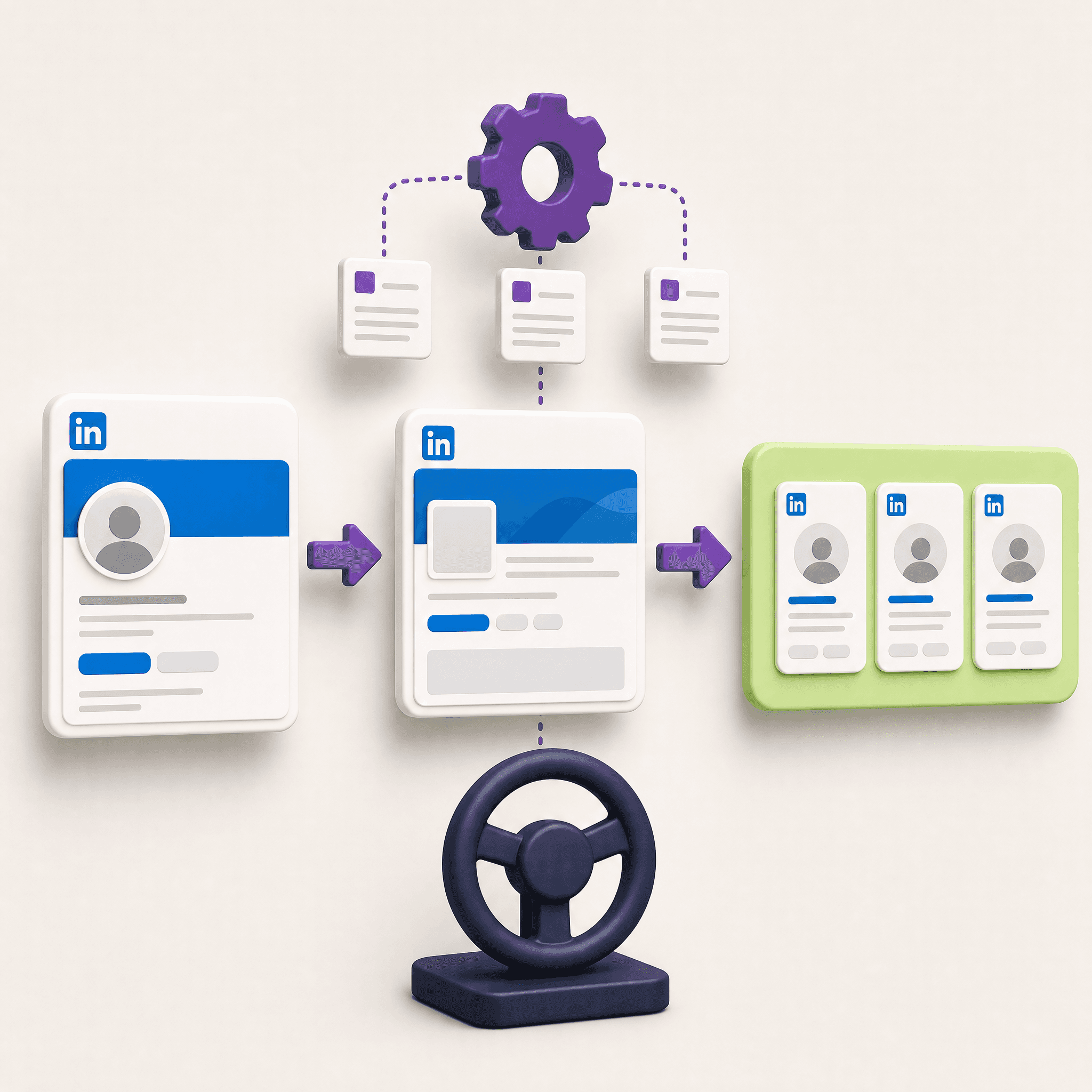
תוכן מייסד אישי ← תוכן עמוד החברה שמתכתב איתו ← תוכנית שגרירים של עובדים שמרחיבה את התפוצה.
ה-AI מייצר את כל הווריאציות, מתאים מסר אחד לשלושה קולות שונים ולעיתים גם מתזמן. אני מחליטה איזו עמדה המייסד מציג, איזה סיפור עובדי הארגון מספרים, ואיפה לא נכנסים בכלל. המכונה נותנת קצב, ובת האדם (אני) נותנת את הכיוון.
השורה התחתונה
וייב מרקטינג ב-B2B משתלם כשיש צוות שיודע מה הוא רוצה להגיד, וה-AI רק מאיץ אותו. כשנותנים ל-AI להחליט גם מה להגיד, יוצא בדיוק התוכן שהקהל מדלג עליו ושלינקדאין כבר מורידה מהפיד. ואם אתם רוצים לבנות מערך כזה לחברה שלכם, ככה נראים הכלים והסוכנים שאני בונה.
איפה אצלכם ה-AI כבר עושה את העבודה, ואיפה אתם עדיין לא מוכנים לשחרר את ההגה? 💁♀️
נכתב על ידי חניתה יודובסקי. מנהלת מערכי לינקדאין של חברות B2B, מהפרופיל של המנכ״ל ועד תוכניות שגרירים לעובדים, ומלווה עצמאים לבניית הנוכחות שלהם בלינקדאין. לינקדאין היא המגרש שאני עובדת בו כל יום, וסוכני AI וכלים שאני בונה בעצמי הם דרך העבודה. נכתב במאי 2026 ועודכן בספטמבר 2026. התוכן נכתב בשילוב כלי AI, כפי שמתבקש מהנושא, עם אסטרטגיה ועריכה אנושיות.
מקורות: אנדריי קרפת׳י: הציוץ על vibe coding, פברואר 2025 · גרג איזנברג: הציוץ על vibe marketing, מרץ 2025 · averi.ai: המדריך לוייב מרקטינג · SSRN: השפעת GenAI ויזואלי על אפקטיביות פרסום, אוקטובר 2025 · The Next Web: לינקדאין נגד AI slop, מאי 2026