בחזרה לבלוג←
אוטומציה לעסקי B2B ב-2026: מערך שיווק רזה שבאמת מתחבר
חניתה יודובסקי


חמישה כלים שמדברים זה עם זה שווים יותר מעשרים שלא.
אמל”ק: בשוק יש היום 15,505 כלי שיווק (chiefmartec, מאי 2026), ורוב צוותי ה-B2B הקטנים נתקעים דווקא בחיבור בין הכלים שכבר יש להם. מערך רזה לצוות של אחד עד חמישה אנשים בנוי מחמש שכבות: CRM, מייל, שכבת לינקדאין, שכבת חיבור (Make, Zapier או n8n) ודוח אחד. בעלות התחלתית של עשרות דולרים בחודש אפשר להריץ זרימה שלמה מטופס לידים ועד התראה למכירות. לפני שמפעילים אוטומציה במייל, צריך להכיר שלושה כללים: דרישות השולחים של גוגל, חוק הספאם הישראלי ותיקון 13 לחוק הגנת הפרטיות.
כל שנה מתפרסם עוד מאמר על ״המערך האולטימטיבי״ עם שלושים כלים. השנה אפילו מי שסופר את הכלים האלה כתב שאולי השוק הגיע לתקרה.
סקוט ברינקר, שמפרסם כבר 15 שנה את מפת כלי השיווק (chiefmartec), פרסם במאי 2026 את הגרסה החדשה: 15,505 מוצרים, עלייה של 0.79% בלבד. הכותרת שלו: ״הגענו לשיא המרטק (אולי)״. במקביל, בסקר של Salesforce על 4,450 משווקים, רק 26% היו מרוצים לגמרי מהאופן שבו הנתונים שלהם מחוברים בין המערכות. (ל-Salesforce יש אינטרס, כי הם מוכרים בדיוק את הפתרון לבעיה הזאת. הממצא עדיין נשמע מוכר לכל מי שניסה להבין למה ליד מלינקדאין לא הגיע ל-CRM.)
אני מריצה את השיווק של OctaLoom על מערך קטן של כלים וסוכני AI שבניתי, וזה גם מה שאני בונה ללקוחות. ולפי מה שאני רואה, הכלי שעולה הכי ביוקר הוא זה שמשלמים עליו כל חודש ואף אחד לא חיבר אותו לשאר המערך.
חמש שכבות, ומה כל אחת צריכה לעשות
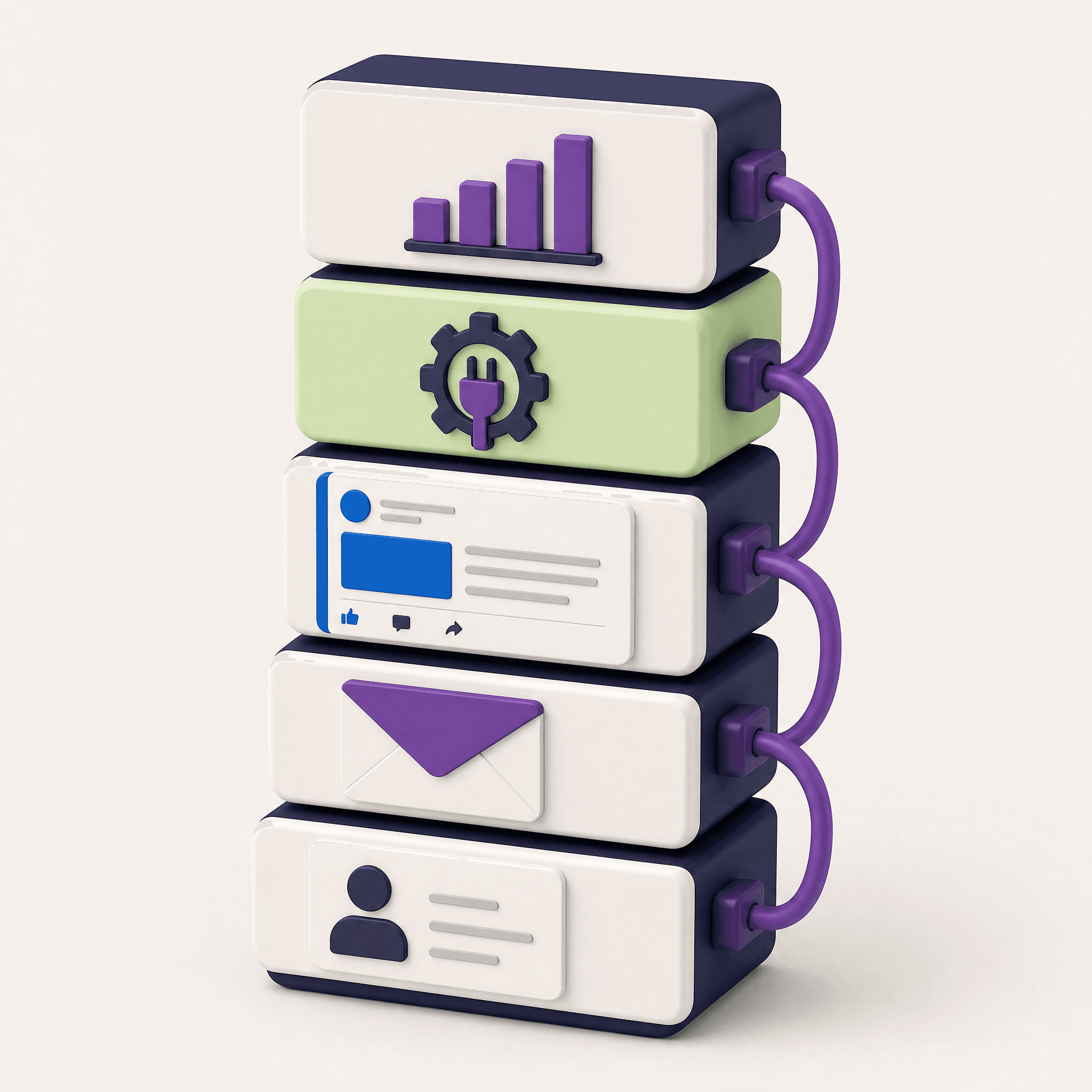
בואו נוריד את זה לקרקע: לעסק B2B קטן מספיקות חמש שכבות, ולכל אחת תפקיד אחד.
↜ מערכת ניהול לקוחות (CRM): המקום שבו כל ליד, שיחה ומעקב נרשמים. אם הצוות לא פותח אותה כל יום, היא רק עוד טבלה.↜ מייל: רצפים שנשלחים לפי פעולה (הורדת מדריך, הרשמה לוובינר, ביקור בעמוד מחירים), בנוסף לניוזלטר.↜ שכבת לינקדאין: תזמון פוסטים, מעקב אחרי תגובות, ולפעמים טופס לידים או כלי חיפוש.↜ שכבת חיבור: הכלי שמעביר מידע בין כל השאר. כאן נמצא רוב הערך, ודווקא עליה מוציאים הכי מעט.↜ דוח אחד: מאיפה מגיעים לידים, מה הופך לפגישה, וכמה עולה כל פגישה.
והנה מחירי כניסה עדכניים, כפי שהופיעו באתרי היצרנים ב-15 בספטמבר 2026 (בדולרים, בחיוב שנתי אם לא צוין אחרת):
שכבה | אפשרות | מחיר כניסה | שווה לדעת |
|---|---|---|---|
CRM | הבספוט (HubSpot) CRM | חינם, עד 2 משתמשים | מספיק ברוב המקרים לשנה הראשונה |
CRM | מאנדיי (monday CRM) Basic | 12 דולר למושב בחודש | מינימום 3 מושבים |
מייל | מיילרלייט (MailerLite) | Comfort מ-12 דולר בחיוב חודשי | חינם עד 250 מנויים |
מייל + CRM | הבספוט Marketing Hub Starter | 20 דולר למושב בחודש | הגרסה Professional קופצת ל-800 דולר ו-3,000 דולר הטמעה |
חיבור | מייק (Make) Core | 9 דולר, 10,000 פעולות | 1,000 פעולות בחינם |
חיבור | זאפייר (Zapier) Professional | 19.99 דולר, 750 משימות | 100 משימות בחינם |
חיבור | n8n | חינם בהתקנה עצמית, 20 אירו בענן | דורש מישהו טכני |
לינקדאין | באפר (Buffer) Essentials | 5 דולר לערוץ בחודש | 3 ערוצים בחינם |
לינקדאין | Sales Navigator Core | 119.99 דולר בחודש | כולל 50 הודעות InMail |
העשרת נתונים | קליי (Clay) Launch | 167 דולר בחודש | רק כשיש כבר תהליך מכירה |
מחירים משתנים, וחלק מהיצרנים מציגים מבצעים זמניים. לפני שמתחייבים, שווה לבדוק שוב.
זרימה אחת מקצה לקצה
ככה נראה החיבור שאני ממליצה לבנות ראשון, לפני כל דבר אחר:
מישהו ממלא טופס לידים במודעה בלינקדאין ← הפרטים נכנסים ל-CRM תוך דקות ← הוא מקבל מייל ראשון עם מה שביקש ← אם הוא פותח ולוחץ, איש המכירות מקבל התראה ← בשיחה הראשונה שואלים ״איך שמעתם עלינו?״ ורושמים את התשובה ב-CRM.
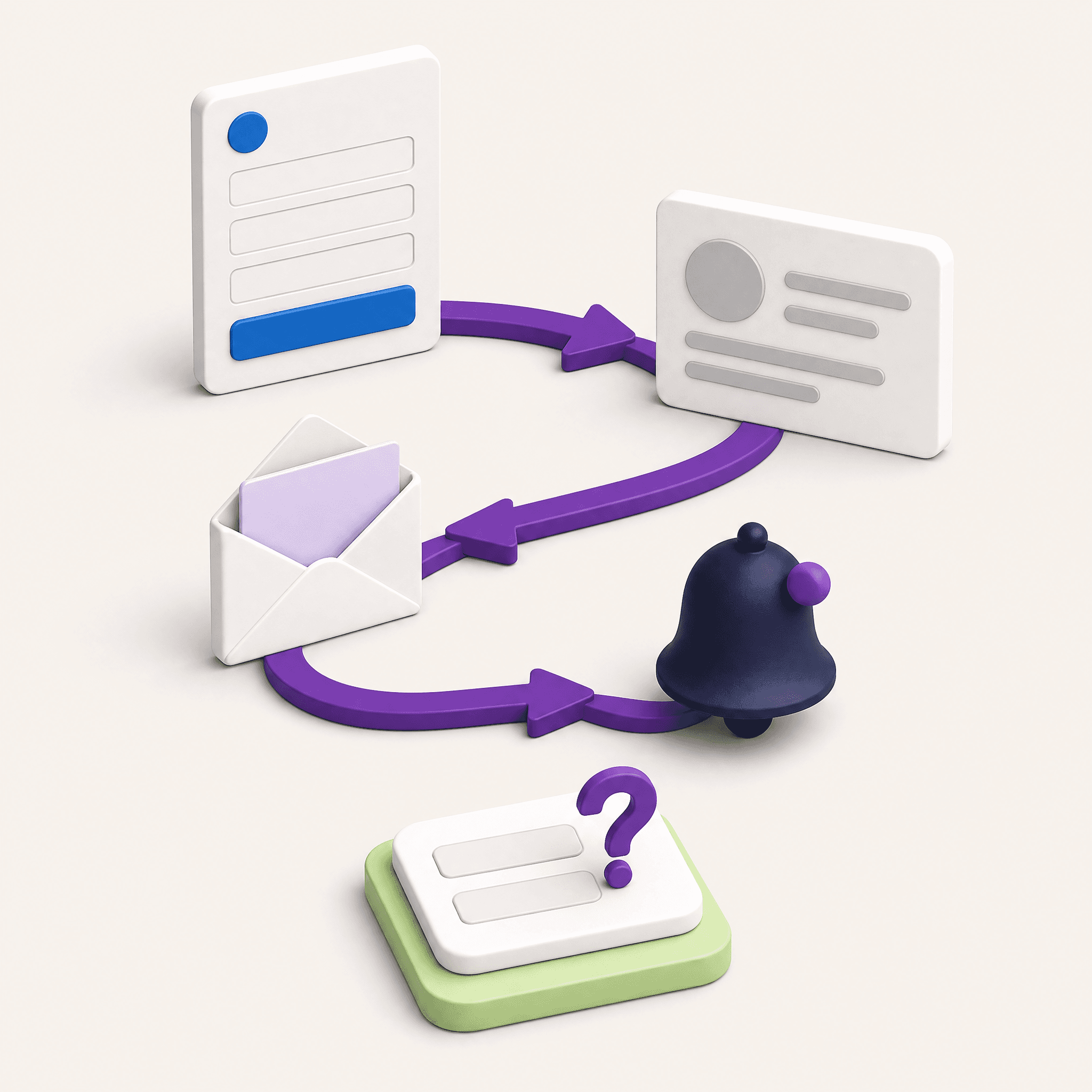
כל הזרימה הזאת רצה על שלושה כלים, ולינקדאין מספק לה חיבורים רשמיים: ברשימת השותפים של ממשק ההמרות שלהם (Conversions API) מופיעים, בין השאר, הבספוט, Make, Zapier ו-Salesforce. כלומר המידע זורם לשני הכיוונים: הליד נכנס ל-CRM, ומידע על מי שהפך ללקוח חוזר ללינקדאין כדי לשפר את הקמפיין.
השאלה בשלב האחרון נראית פשוטה, והיא החלק שהכי הרבה חברות מפספסות. חלק גדול מהלקוחות מגיעים אחרי חודשים של קריאת פוסטים, בלי ללחוץ על אף קישור, ורק הם יכולים לספר לכם את זה. פירטתי את זה במאמר על דליפות בתקציב הסושיאל.
מה קונים רק בשלב הבא
↜ הבספוט Professional לפני שיש אלף אנשי קשר ותהליך שעובד. זה 800 דולר בחודש ועוד 3,000 דולר הטמעה, בשביל פיצ׳רים שצוות של שניים לא יספיק להפעיל.↜ קליי או כלי העשרת נתונים לפני שיש רשימה מוגדרת וסקריפט פנייה. 167 דולר בחודש לא יעזרו אם לא ברור למי פונים.↜ שלושה כלי תזמון לפלטפורמות שונות. כלי אחד מספיק.↜ Sales Navigator לפני שבניתם רשימה ידנית של 50 חשבונות. כאן הסברתי למה.↜ כלים ששולחים בשמכם בקשות והודעות בלינקדאין. תנאי השימוש אוסרים את זה, ובמרץ 2026 לינקדאין מחקה את עמוד החברה של אחד הכלים המוכרים בתחום.
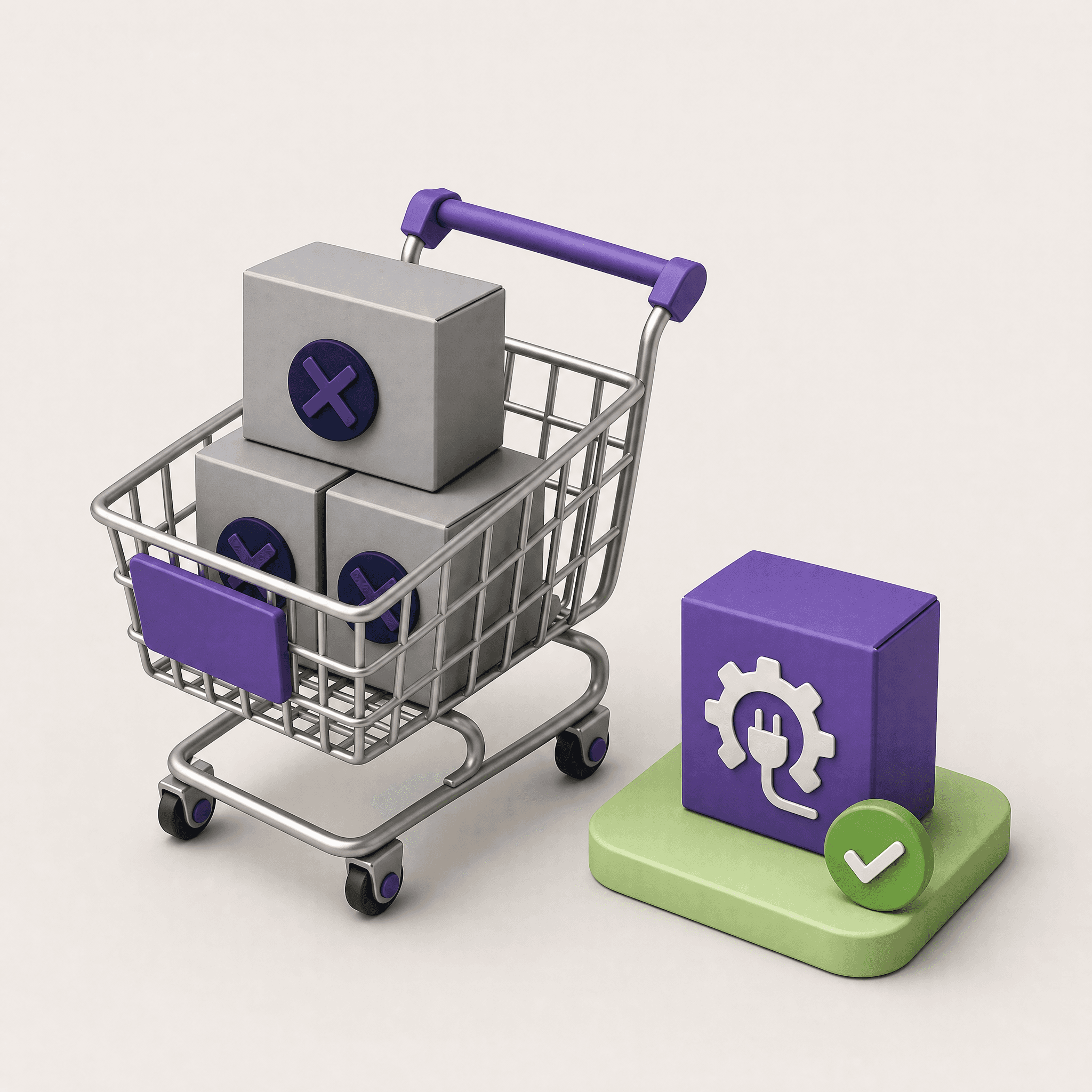
הכלל שלי: קונים כלי כשיש תהליך ידני שחוזר על עצמו כל שבוע ומבזבז שעות. אוטומציה מאיצה תהליך שכבר עובד ידנית, ואם התהליך עוד לא קיים, היא רק תסבך את העניינים.
שלושה כללים שכל אוטומציה שיווקית צריכה לעמוד בהם
(סיכום מעשי בלבד, בלי תוקף של ייעוץ משפטי. לפני שמריצים קמפיין מייל גדול, שווה לבדוק עם עו״ד.)
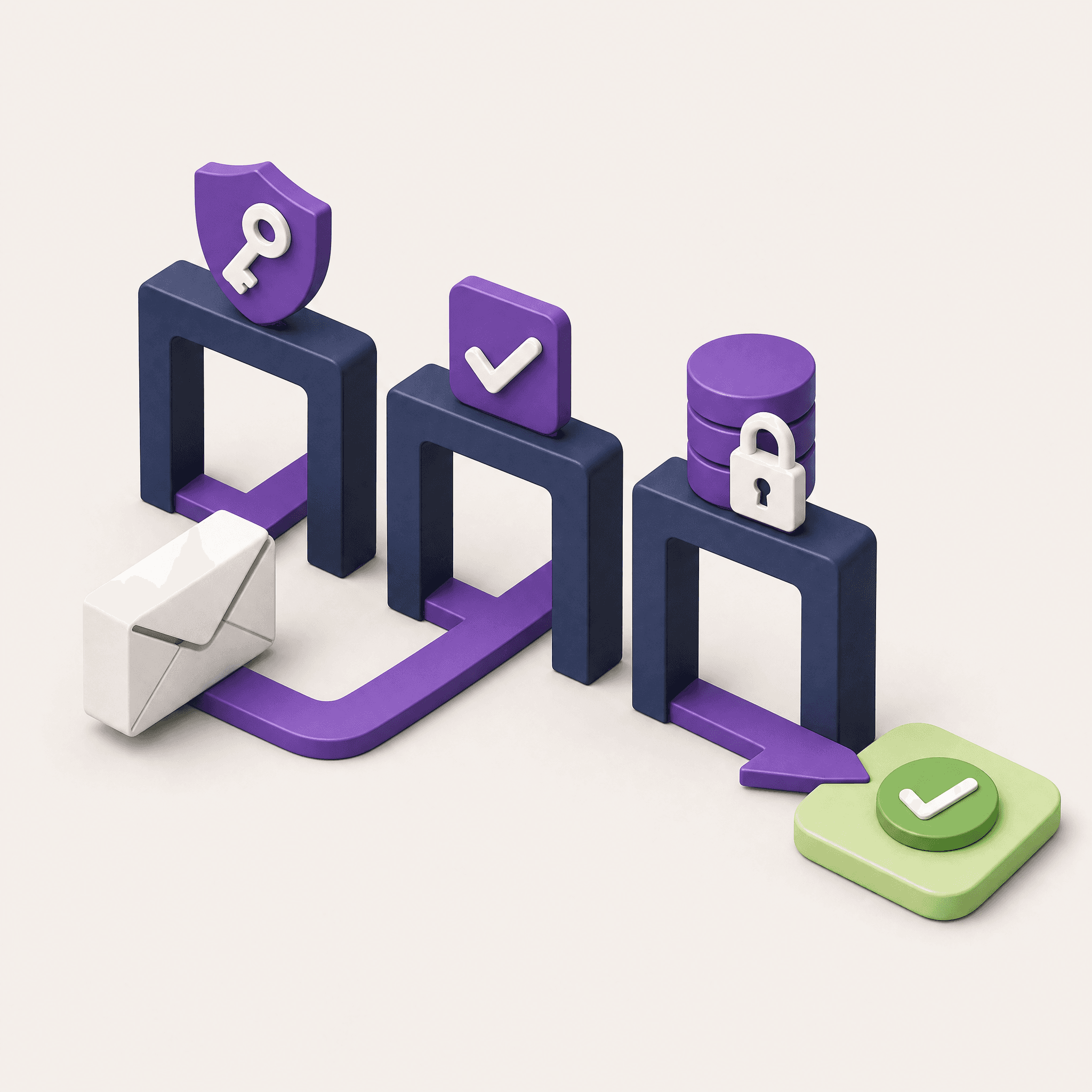
דרישות השולחים של גוגל. מפברואר 2024, מי ששולח יותר מ-5,000 הודעות ביום לחשבונות ג׳ימייל חייב אימות דומיין (SPF, DKIM ו-DMARC), הסרה בלחיצה אחת, ושיעור תלונות ספאם מתחת ל-0.3%. גוגל ממליצים לשאוף ל-0.1% ומטה. גם מיקרוסופט אימצו כללים דומים לתיבות אאוטלוק. רוב כלי המייל מסדרים את האימות בהגדרות, והחלק שנשאר עליכם הוא להתרחק מרשימות קנויות.
חוק הספאם הישראלי (סעיף 30א בחוק התקשורת). הכלל הוא הסכמה מפורשת מראש (opt-in) לקבלת דבר פרסומת במייל או ב-SMS. לעסקי B2B יש שתי הקלות: החוק מתיר פנייה חד־פעמית לנמען שהוא בית עסק, שבה מבקשים את הסכמתו לקבל פרסומות. ויש חריג ללקוחות קיימים, שמסרו פרטים במסגרת רכישה או משא ומתן, קיבלו הודעה שהפרטים ישמשו לפרסום ולא סירבו. הפיצוי בלי הוכחת נזק יכול להגיע עד 1,000 ש״ח לכל הודעה, ואפשר להגיש על זה תובענה ייצוגית.
תיקון 13 לחוק הגנת הפרטיות. נכנס לתוקף באוגוסט 2025, הרחיב את סמכויות האכיפה של הרשות להגנת הפרטיות, כולל עיצומים כספיים, והרחיב את הגדרת המידע האישי. בפועל, כל מאגר לידים שנבנה אוטומטית צריך מקור ברור, מטרה מוגדרת ודרך להסיר ממנו אנשים.
איפה סוכני AI נכנסים למערך
סוכני AI יושבים מעל שכבת החיבור ונשענים עליה. לפי Salesforce, רק 13% מהמשווקים כבר הטמיעו AI שמבצע פעולות בעצמו (agentic AI). מי שעובדים איתם יודעים שהם טובים במחקר, בסיכום, בטיוטות ובמיון לידים, ופחות טובים בלהחליט מה אומרים ולמי.
אצלי הסוכנים סורקים, מסכמים ומכינים טיוטות, ושום דבר לא יוצא החוצה בלי שאני קוראת ומאשרת. זה גם מה ששומר על הקול, בתקופה שבה לינקדאין מורידה חשיפה לתוכן שנשמע כמו כולם. כתבתי כאן על כפתור ה-AI slop ומה הוא עושה, וכאן על וייב מרקטינג כשיטת עבודה.
מי שרוצה שהצוות יבנה את האוטומציות האלה בעצמו, יכול לקרוא איך נראית סדנת AI לארגונים ומה הצוות יוצא איתו בסוף היום.
השורה התחתונה
מערך אוטומציה טוב לעסק B2B קטן הוא מערך שאפשר לצייר על דף אחד: חמש שכבות, זרימה אחת שעובדת מקצה לקצה, שלושה כללים שעומדים בהם, וסוכני AI שעושים את העבודה השחורה, בזמן שהקול נשאר שלכם. הכלים שיש לכם היום כנראה מספיקים לשנה הקרובה, אם מחברים אותם. ואם אתם רוצים שמישהי תבנה את זה איתכם, ככה נראים הכלים והסוכנים שאני בונה.
איזה חיבור אחד, אם היה עובד מחר בבוקר, היה חוסך לכם הכי הרבה שעות? 💁♀️
נכתב על ידי חניתה יודובסקי. מנהלת מערכי לינקדאין של חברות B2B, מהפרופיל של המנכ״ל ועד תוכניות שגרירים לעובדים, ומלווה עצמאים לבניית הנוכחות שלהם בלינקדאין. לינקדאין היא המגרש שאני עובדת בו כל יום, וסוכני AI וכלים שאני בונה בעצמי הם דרך העבודה. עודכן בספטמבר 2026, מחירים נבדקו ב-15.9.2026. נכתב בעזרת כלי AI, עם אסטרטגיה ועריכה אנושיות.
מקורות: chiefmartec: מפת כלי השיווק 2026 · Salesforce: דוח מצב השיווק ה-10 · לינקדאין: שותפי ממשק ההמרות · גוגל: הנחיות לשולחי מייל · חוק התקשורת (בזק ושידורים), סעיף 30א · IAPP: תיקון 13 לחוק הגנת הפרטיות · HubSpot: מחירים · monday CRM: מחירים · MailerLite: מחירים · Make: מחירים · Zapier: מחירים · n8n: מחירים · Buffer: מחירים · Sales Navigator: השוואת תוכניות · Clay: מחירים