בחזרה לבלוג←
לינקדאין בדרך להיות לקופה רושמת. וכולנו הולכים לשלם על זה
חניתה יודובסקי


לינקדאין הופכת כל נקודת מגע לעסקה שקורית אצלה. הדאטה שלכם היא הדלק.
אמל"ק: לינקדאין עושה מהלך אחד ברור בכל החזיתות: להפוך כל נקודת מגע לעסקה שקורית אצלה. אירועי יוצרים בתשלום, כפתור ״קבל ממני ייעוץ״ שמכניס כסף ישר מהפרופיל, ו-Boost מוזל במובייל. במקביל, מסנן תגובות מאומתות מצטרף למדיניות שכבר מאפשרת ללינקדאין לאמן AI על הדאטה שלכם. וההקשר: הכנסות לינקדאין עלו ל-5.08 מיליארד דולר ברבעון, פלוס 11%. ובאותו זמן, התובע הכללי של טקסס פתח בחקירה על ״משרות רפאים״ ועל מה שמנויי Premium בעצם קונים. הנה שבעה שינויים ומה לעשות עם כל אחד.
יש לי הרגל. אני עוקבת אחרי מה שלינקדאין משנה בשקט, לא ההכרזות הגדולות עם הבמה והסרטון, אלא הפיצ׳רים הקטנים שנכנסים בלי רעש. ובחודשים האחרונים כולם מספרים אותו סיפור. כל נקודת מגע בפלטפורמה הופכת לעסקה, והחשבון מגיע אלינו.
וקצת מספרים להקשר. לפי הדיווח של מייקרוסופט על הרבעון שהסתיים בדצמבר 2025, הכנסות לינקדאין הגיעו ל-5.08 מיליארד דולר, עלייה של 11% בשנה, מונעת בעיקר מצמיחה ב-Marketing Solutions. זה המספר. כל שאר המהלכים באים לשרת אותו.
בחרתי שבעה שינויים ששווה שתכירו. כמעט כולם נוגעים באותו עצב.
1. אירועי יוצרים בתשלום (Paid Creator Events)
לינקדאין מתכננת אירועי יוצרים בתשלום, בהשקה מדורגת. לפי Social Media Today, במחצית השנייה של 2026 אמורים לרוץ אירועים סגורים (gated) עם עד 50 יוצרים, ואירועים בתשלום מלא עם עד 1,000 יוצרים לקראת 2027. ״סגור״ פירושו שהאירוע לא פתוח לכל מי שגולל בפיד, אבל מה בדיוק מהווה את השער, רישום, אישור מראש או מנוי, לינקדאין עוד לא פירטה. שני השלבים האלה עדיין לא יצאו לדרך.
מה שכבר קרה: במאי 2026 רצו מפגשי פיילוט ראשונים. לפי NetInfluencer ו-Marketing Tech News השתתפו בהם קאסי קוזירקוב (Cassie Kozyrkov), קודי סאנצ׳ז (Codie Sanchez), כריס דו (Chris Do) ולוריין לי (Lorraine Lee), ולינקדאין כבר החלה לשלם ליוצרים שמובילים אירועים ממומנים. הפלטפורמה מעריכה את שוק אירועי היוצרים הווירטואליים ב-5 מיליארד דולר (נכון ל-2025), עם שאיפה ל-4,000 אירועים בשנה בטווח הארוך.
עד היום לינקדאין הרוויחה מכם דרך מודעות. עכשיו היא רוצה נתח גם מהכרטיס שאתם מוכרים לוובינר שלכם.
ליוצרים גדולים זה ערוץ הכנסה. לעסק ישראלי קטן זה אומר משהו אחר: אירוע עם תשתית מובנית, בלי Zoom נפרד, בלי דף נחיתה, בלי שלושה כלים שמדברים אחד עם השני בקושי.
מה לעשות עכשיו: בחרו מפגש חתימה אחד שהיה הגיוני לגבות עליו כסף, וובינר או סדנה שאתם ממילא מעבירים. הכינו אותו עכשיו, כדי שברגע שהפיצ׳ר נוחת בישראל אתם בין הראשונים.
2. תגובות מאומתות, והמחיר שלא מדברים עליו
לינקדאין הוסיפה אפשרות למיין תגובות כך שיוצגו רק תגובות ממשתמשים מאומתים (Verified Members). כרגע ניסיוני, בעיקר בארה״ב. יותר מ-100 מיליון משתמשים כבר אימתו זהות עד סוף 2025.
אבל רגע. כדי לקבל אימות, אתם מוסרים תעודה מזהה מהמדינה (רישיון נהיגה, תעודת זהות או דרכון). את האימות מריצות CLEAR (בארה״ב, קנדה ומקסיקו) או Persona (דרך דרכון ביומטרי, בשאר העולם).
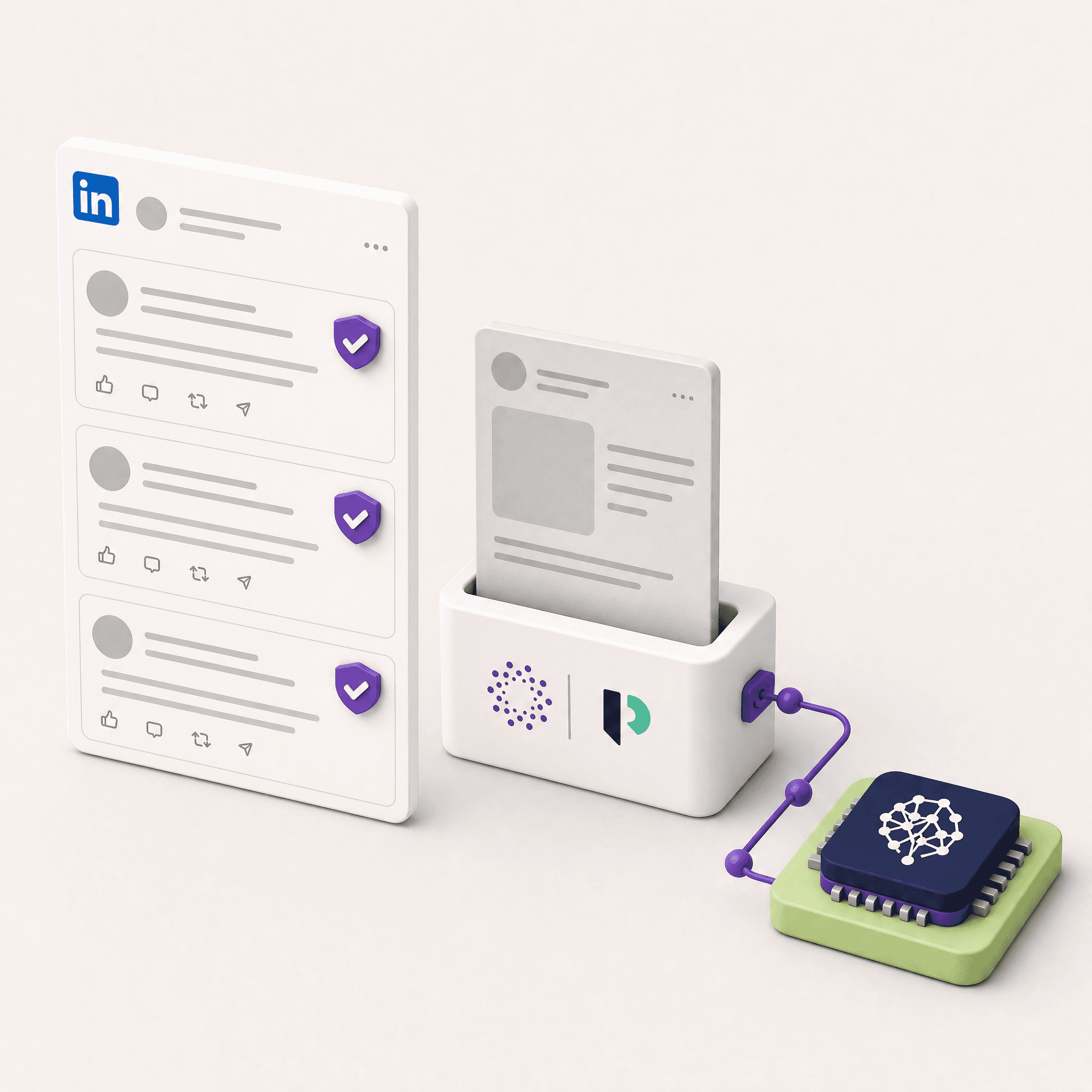
תצרפו לזה שמאז נובמבר 2025 מדיניות הפרטיות של לינקדאין כבר מאפשרת שימוש בדאטה הציבורית שלכם לאימון מודלים של AI כברירת מחדל (יש opt-out בהגדרות, תחת ״נתונים לשיפור AI גנרטיבי״), ותמונה אחת מצטיירת. אז דווקא הפיצ׳ר שנמכר לכם כהגנה מפני בוטים הוא גם הדרך של לינקדאין לדעת עליכם עוד דבר אמיתי, מאומת. ככל שאתם מאומתים ומחוברים יותר, אתם מקור מידע מדויק יותר.
זה לא רק ניקיון של הפיד. זו עוד שכבה של מידע שעוברת אליהם, ואנחנו מוחאים כפיים כי סוף סוף פחות ספאם.
מה לעשות עכשיו: החליטו אם אתם מאמתים (כן, זה עוזר לחשיפה ולאמון), ובאותה נשימה היכנסו להגדרות ובחרו מה קורה עם הדאטה שלכם לאימון AI. שתי ההחלטות קשורות, אל תעשו אחת בלי השנייה.
3. ייעוץ בתשלום ישר מהפרופיל: Advice Sessions
במאי 2026 לינקדאין השיקה Advice Sessions. מנויי Premium Business בארה״ב יכולים להוסיף לפרופיל כפתור ״Get advice from me״, לקבוע תעריף שעתי, ולנהל הזמנה ← תשלום ← שיחת וידאו, הכל בתוך לינקדאין. לפי Forbes, לינקדאין לא לוקחת נתח מההכנסה, בינתיים.
תחשבו על זה כ-Calendly ו-Stripe שנבלעו לתוך הפרופיל שלכם.
ליועצים, לפרילנסרים, לכל מי שבונה מותג אישי ומוכר את הראש שלו, זה מוריד חיכוך. הלקוח לא עוזב את הפלטפורמה, לא נופל בדרך בין טופס לטופס, פשוט לוחץ ומשלם. גם כשלינקדאין לא גובה עמלה, היא מרוויחה את הדבר שהיא הכי רוצה: שכל העסקה, מהחשיפה הראשונה ועד התשלום, תקרה אצלה.
מה לעשות עכשיו: אם אתם מוכרים את המומחיות שלכם, הגדירו כבר עכשיו איך נראית שיחת ייעוץ של 30 דקות בתשלום אצלכם, כולל מחיר. כשזה מגיע לישראל, אתם לא מתחילים לחשוב, אתם מפעילים.
4. Boost מוזל במובייל
לינקדאין מרחיבה את כפתור ה-Boost במובייל ליותר משתמשים. תקציב מינימלי, לפי Social Media Today: 10 דולר ליום, ליומיים.
הזווית שמעניינת אותי כאן היא לא הפיצ׳ר עצמו. השאלה היא אם לינקדאין סוף סוף מבינה שהמחירים הפרסומיים הגבוהים שלה מבריחים בדיוק את העסקים הקטנים שהיא צריכה. עשרה דולר ליום זה סכום שבעלי עסקים קטנים יכולים לבדוק בלי להזמין פגישה עם סוכנות.
מה לעשות עכשיו: אל תקדמו תוכן חלש בכסף. קחו פוסט אחד שכבר עובד אורגנית, נתוני שמירות וקליקים טובים, ותנו לו 10 דולר ליומיים כדי לראות אם הקהל מתרחב או רק המספרים.
5. איך לגרום ל-AI לצטט אתכם
ב-30 ביוני 2026 דוונג שאה (Davang Shah), סמנכ״ל השיווק של לינקדאין, פרסם את ההנחיה הרשמית לנראות בכלי AI: מאמרים של 800 עד 1,200 מילים, פוסטים קצרים של 200 עד 300 מילים, מבנה ברור, ולפחות עשר תגובות איכותיות שמוסיפות פרספקטיבה או מראות הסכמה. לפי לינקדאין, תגובות כאלה מסמנות למודלים שאפשר לסמוך על התוכן.
הנתון שתפס אותי מגיע ממחקר של Semrush ממרץ 2026, שניתח 89 אלף כתובות לינקדאין שצוטטו בתשובות AI, על בסיס 325 אלף פרומפטים מינואר ופברואר 2026. לפוסט החציוני שמצוטט יש 15 עד 25 ריאקשנס, ולא יותר מתגובה אחת. לא ויראליות. רלוונטיות.
ויש שכבה טרייה יותר. מחקר של OtterlyAI שבחן שישה כלי AI בין ינואר ליוני 2026 מצא שחלקה של לינקדאין בציטוטים מרשתות חברתיות עלה מ-7.8% בינואר ל-11.7% במאי, זינוק של כמעט 50% בחמישה חודשים. ובתוך לינקדאין עצמה, מאמרי Pulse מצוטטים יותר מפוסטים בפיד: 8.5 ציטוטים לכתובת מול 5.9.
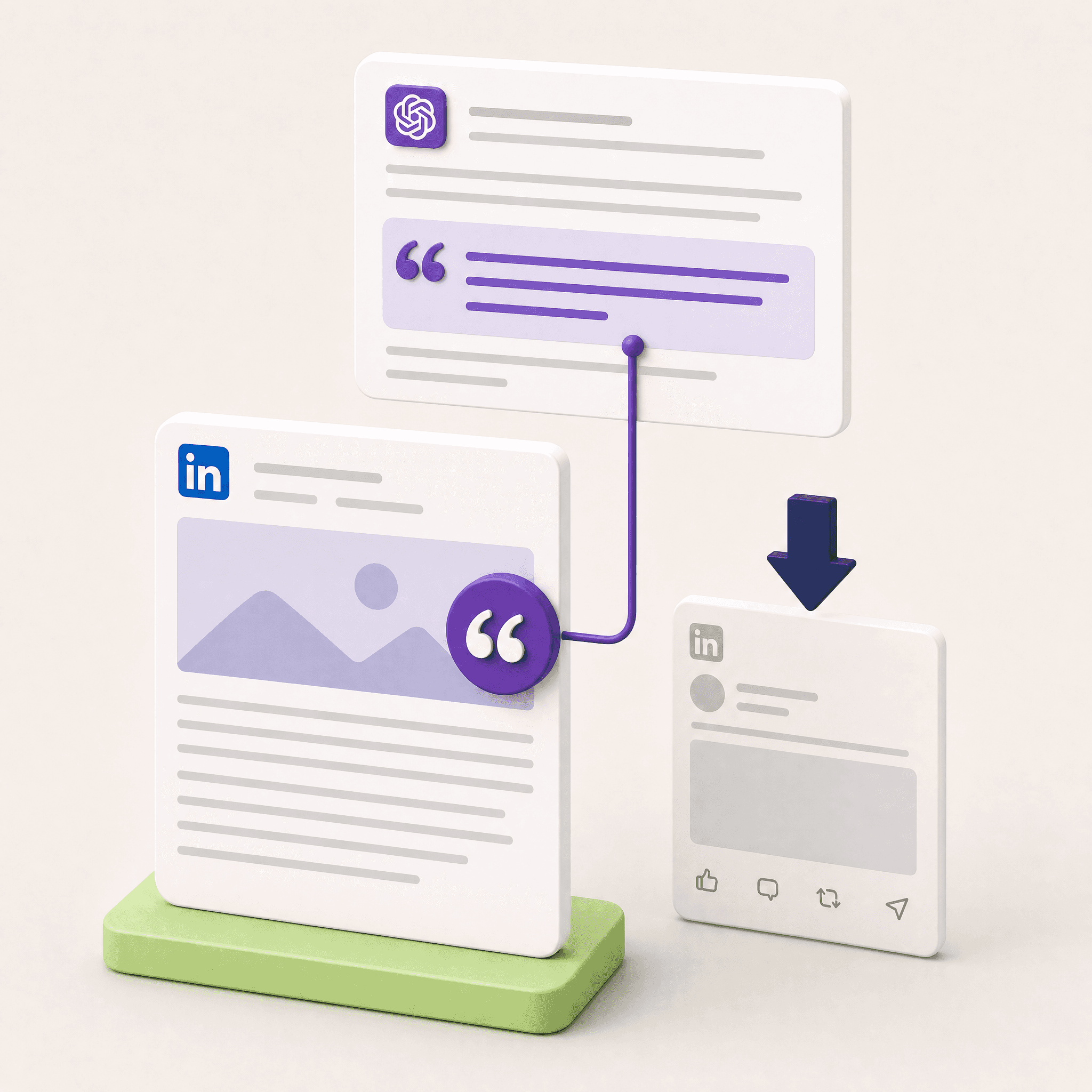
זה משנה לי את הדרך שאני חושבת על התוכן של הלקוחות שלי. אנחנו רגילים לרדוף אחרי reach, אחרי הפוסט שמתפוצץ. אבל אם ChatGPT מצטט את הלקוח שלכם בתשובה למישהו שבודק ספק לפני החלטת רכש, זה שווה יותר מ-500 לייקים על פוסט שאף אחד לא זוכר בבוקר שאחרי.
מה לעשות עכשיו: קחו תחום מומחיות אחד של לקוח וכתבו עליו מאמר Pulse של 800 עד 1,200 מילים, שעונה על שאלה אמיתית שקונה שואל. מבנה ברור, כותרות משנה, ותשובה כבר בפסקה הראשונה. המאמרים מצוטטים יותר מהפוסטים, אז שם כדאי להשקיע.
6. פיד לפי נושא: הניסיון השני של לינקדאין
ב-24 ביוני 2026 דיווח Social Media Today שלינקדאין בודקת ״פידים מוצעים״ (suggested feeds). המנגנון: המערכת מזהה את הנושאים שאתם עוסקים בהם דרך קבע, ובונה מהם זרם נפרד עם פוסטים מובילים, חדשות תעשייה ופרשנות מומחים באותה נישה. זרם עצמאי, לא עוד תוכן מוצע שנתחב לתוך הפיד הראשי.
נכון לעכשיו זה ניסוי קטן שרץ על קבוצת משתמשים שהשתתפה בפסטיבל קאן ליונס. ג׳וליה קבראל פלווין (Julia Cabral Flavin), סמנכ״לית שיווק מוצר בלינקדאין, אמרה שהמשוב הראשוני חיובי, מה שעשוי להוביל להשקה רחבה יותר.
שווה לדעת שזה הניסיון השני. ב-2025 לינקדאין בדקה טאבים נפרדים בפיד, והניסוי הזה צומצם והופסק. היא ממשיכה לחפש דרך לשבור את הפיד האחד לכמה זרמים.
מה שמעניין אותי הוא מה זה עושה לתוכן נישתי. בפיד אחד גדול, פוסט על נישה צרה מפסיד לפוסט רחב עם hook חזק. בזרם לפי נושא, דווקא העומק מנצח. וזה מתחבר ישר לסעיף הקודם: גם ציטוט ב-AI וגם פיד נושאי מתגמלים את מי שכותב בעקביות על תחום מוגדר, ולא את מי שרודף אחרי הפוסט שיתפוצץ.
מה לעשות עכשיו: הגדירו לעצמכם שניים או שלושה נושאים שאתם רוצים שיזהו אתכם איתם, וכתבו בתוכם בעקביות. אם היום אתם כותבים על חמישה נושאים שונים, שום מערכת לא תדע לאיזה זרם לשייך אתכם.
7. ובזמן שהקופה מתמלאת: חקירה בטקסס
ב-14 ביולי 2026 התובע הכללי של טקסס, קן פקסטון (Ken Paxton), פתח בחקירה נגד לינקדאין והוציא לה דרישה משפטית למסמכים (Civil Investigative Demand). הנושא: ״משרות רפאים״ (ghost jobs), מודעות דרושים שלא מייצגות משרה פתוחה באמת, או שפורסמו בלי כוונה ממשית לאייש אותן.
הטענה נוגעת ישר לכסף. לינקדאין מוכרת מנויי Premium למחפשי עבודה, 39.99 דולר לחודש ל-Premium Career ו-69.99 ל-Premium Business, על בסיס הציפייה שהמשרות שם אמיתיות. לפי משרד התובע הכללי, לינקדאין לא מאמתת באופן עצמאי את סטטוס הגיוס של רוב המודעות, ולא מיידעת את המנויים ששיעור לא קטן מהן עשוי להיות לא פעיל. באותה הודעה נכתב שמחקרים עצמאיים מעריכים שמשרות רפאים הן בין חמישית לשליש מהמודעות המקוונות.
פקסטון אמר שהוא בודק אם לינקדאין הטעתה תושבי טקסס, ״קידמה והרוויחה ממשרות רפאים בזמן שהיא משווקת את עצמה כפלטפורמה אמינה למציאת עבודה״.
לינקדאין מצידה מסרה ל-Fox Business שהמדיניות שלה דורשת שמשרות יהיו אותנטיות, שהיא מציגה זמני תגובה של מעסיקים ואם הם בוחנים מועמדים כרגע, ושהיא משקיעה בפיצ׳רים של אימות למשרות, למגייסים ולעמודי חברה. וחשוב לומר את זה בפירוש: זו חקירה, לא הכרעה. לא נקבע שום ממצא נגד לינקדאין.
ופה הסיפור נסגר למעגל. אותו מנוי Premium Business שנמצא עכשיו תחת זכוכית מגדלת הוא בדיוק המנוי שפותח את כפתור הייעוץ בתשלום מסעיף 3. הפלטפורמה מוכרת גישה, והשאלה שנשאלת עכשיו היא כמה שווה מה שיש מעבר לדלת.
מה לעשות עכשיו: אם אתם מפרסמים משרות בעמוד החברה שלכם, זה הרגע לנקות. הורידו מודעות למשרות שאינכם מאיישים באמת, עדכנו סטטוס, והשתמשו באימות המשרות והעמוד. אמון של מועמדים הוא נכס מותג, והוא נשחק מהר.
השורה התחתונה
לינקדאין ב-2026 עושה צעד אחד: להכניס את כל מסע הכסף פנימה. אירועים, ייעוץ, קידום, כולם על הפלטפורמה. הדאטה שלכם היא הדלק.
והחקירה בטקסס מוסיפה את השאלה שמלווה את כל זה. כשפלטפורמה גובה כסף על גישה, מישהו צריך לוודא שמה שנמצא מעבר לדלת אמיתי. עד עכשיו הבדיקה הזאת הייתה באחריות שלנו בלבד.
אם מחר כל אינטראקציה שלכם בלינקדאין הייתה עסקה, מי היה מרוויח יותר, אתם או הפלטפורמה?
נכתב על ידי חניתה יודובסקי, מנהלת שיווק במיקור חוץ עם דגש על לינקדאין כמנוע צמיחה לצד סוכני AI לעסקי B2B. יולי 2026. התוכן נכתב בשילוב כלי AI עם אסטרטגיה ועריכה אנושית.
מקורות: Social Media Today, אירועי יוצרים סגורים · Marketing Tech News, Paid creator events · NetInfluencer, Creator events · Social Media Today, מסנן תגובות מאומתות · LinkedIn Help, אימות זהות (CLEAR) · LinkedIn Help, אימות זהות (Persona) · LinkedIn Help, שימוש בדאטה ל-AI · Forbes, Advice Sessions · Social Media Today, Advice bookings · Social Media Today, Boost במובייל · LinkedIn Marketing Blog, נראות ב-AI · Semrush, מחקר ציטוטי לינקדאין ב-AI · OtterlyAI, נתח הציטוטים של לינקדאין · Microsoft IR, Q2 FY2026 · Staffing Industry Analysts, הכנסות לינקדאין · Social Media Today, פידים מוצעים · משרד התובע הכללי של טקסס, חקירת משרות רפאים · Fox Business, תגובת לינקדאין לחקירה