בחזרה לבלוג←
זה רשמי: פוסטים משותפים מגיעים ללינקדאין
חניתה יודובסקי


לינקדאין מפסיקה להאמין למה שאתם מצהירים על עצמכם. עכשיו צריך להראות.
אמל"ק: ביוני 2026 יצאו שלושה עדכונים שמספרים סיפור אחד. פוסטים משותפים (Collab Posts) מאפשרים לשני אנשים, או לאדם ולעמוד ארגוני, לחתום יחד על פוסט אחד שמופץ לשתי הרשתות. Connected Apps מחליף את הכישורים שהצהרתם על עצמכם בכישורים מאומתים מתוך שימוש אמיתי בכלים. ולינקדאין עם Adobe השיקו קורסי AI חינמיים למשווקים. הכיוון אחד: לינקדאין עוברת מהצהרה עצמית והופעת יחיד, להוכחה ולשיתוף. הנה מה לעשות עם זה כבר השבוע.
לינקדאין הפסיקה להאמין למה שאתם מצהירים על עצמכם. שנים הפרופיל היה דף נחיתה שאתם כותבים לבד, על עצמכם, עם רשימת כישורים שחברים אישרו לכם בלחיצה אחת בלי לבדוק. זה נגמר.
שלושה עדכונים מיוני מושכים את לינקדאין לאותו כיוון: פחות מה שאתם אומרים על עצמכם, יותר מה שאפשר לראות ולהוכיח. מי שעוד מנהלת את הפרופיל כמו קורות חיים יפים, פספסה את הרגע. הרגע הזה.
1. הכותרת האמיתית: Collab Posts
נתחיל מהמכניקה, כי היא מספרת הכול. פוסט משותף עובד ככה: מזמינים שותף ← הוא מאשר ← נוצר פוסט אחד ששני השמות יושבים בראשו ← הפוסט מופיע בפיד של שתי הרשתות, של שניכם.
זהו. במקום ששניכם תפרסמו אותו דבר בנפרד ותקווה שמישהו ישתף, פוסט אחד נושא את החשיפה של שתי הרשתות.
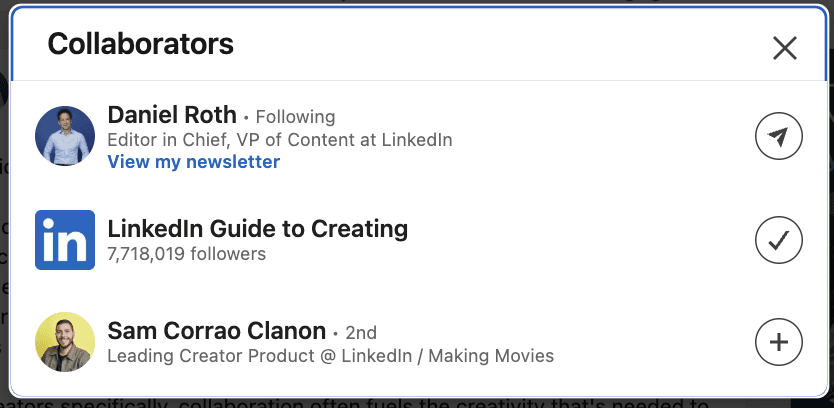
ככה זה נראה בפועל בפאנל של לינקדאין. כל החותמים מופיעים ברשימה אחת, ואפשר לעקוב אחרי כל אחד מהם ישירות משם.
הבידול האמיתי מול אינסטגרם, שעשתה את זה כבר ב-2021: בלינקדאין אפשר לשלב פרופיל אישי עם עמוד ארגוני על אותו פוסט. כלומר עמוד החברה והפרופיל של המייסד יכולים לחתום יחד, והפוסט נושא גם את המותג וגם את האדם. אינסטגרם לא נותנת את זה, וזה בדיוק החלק שמעניין ב-B2B.
איפה זה משנה בפועל:
מייסד ועובד חותמים יחד על הכרזת השקה. זה נוחת בשתי רשתות העוקבים באופן טבעי. employee advocacy בלי ה"תשתפו בבקשה" המביך.
עמוד מותג ומייסד על אותו פוסט, שילוב שאי אפשר לעשות בשום מקום אחר.
מארח ואורח בפודקאסט חותמים יחד על פוסט הפרק, והוא מגיע גם לקהל שהמארח לא מחזיק.
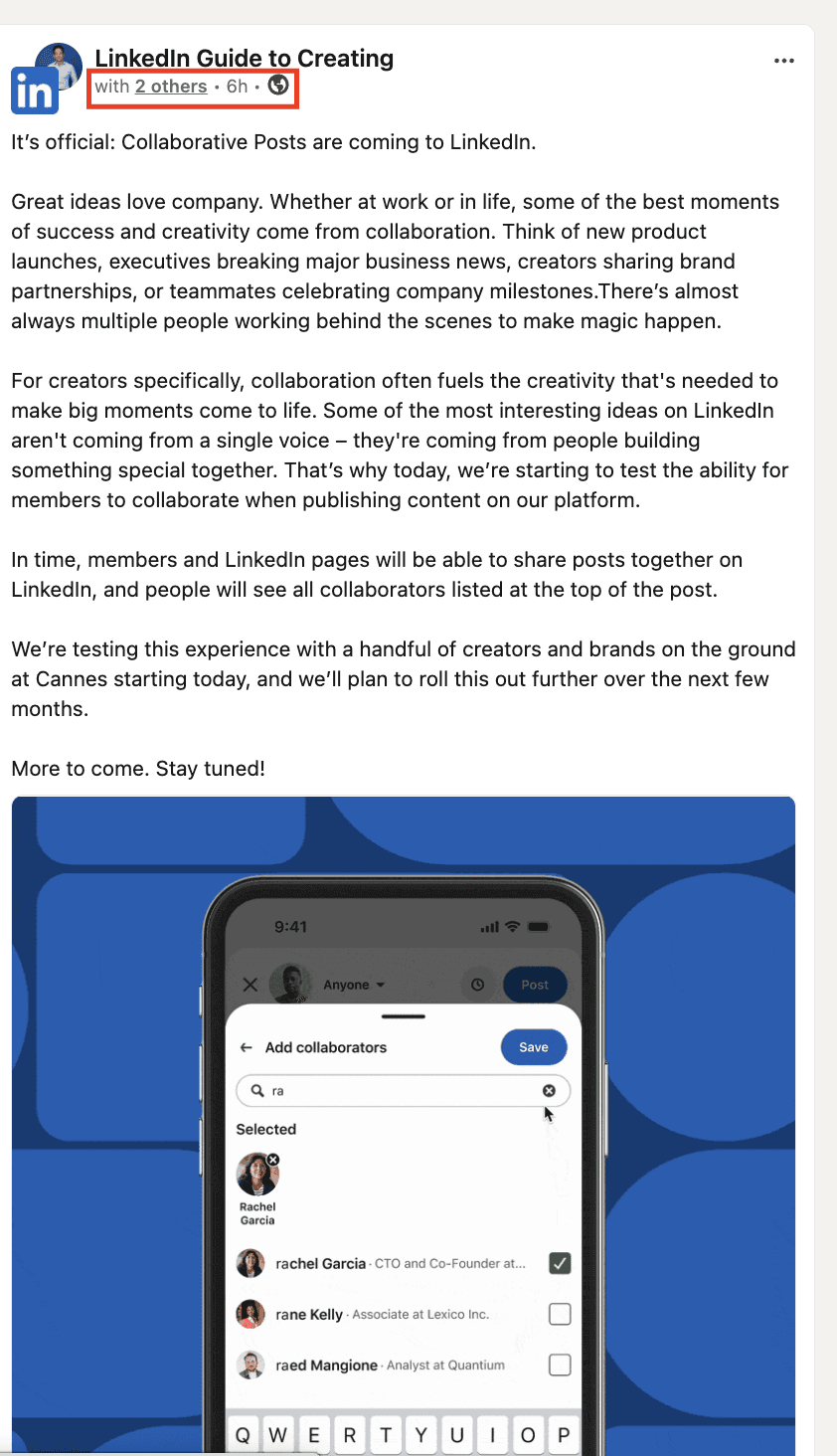
חשוב לסייג: הפיצ'ר עדיין בבטא, נבדק על קבוצה קטנה של יוצרים ומותגים שהיו ב-Cannes, וההשקה הרחבה מתוכננת לקיץ 2026. אז זה עוד לא אצל כולם. ככה נראתה ההכרזה הרשמית:
מה לעשות עכשיו: תבחרו שותף אחד, לקוח, עמית, או מייסד-שותף, שאיתו יהיה הגיוני לחתום על פוסט משותף ברגע שהפיצ'ר נוחת. מי שכבר יודעת עם מי, מפרסמת ביום הראשון.
2. סוף הכישורים שהמצאתם על עצמכם: Connected Apps
ב-17 ביוני לינקדאין השיקה Connected Apps. מחברים אפליקציה לפרופיל, והיא מייצרת אמירה על הכישור שלכם לפי השימוש האמיתי שלכם בכלי. לא אתם כותבים אותה, ואתם גם לא יכולים לערוך אותה. היא מתעדכנת מהדאטה.
תחשבו רגע מה זה הורג. שנים שוק ה-endorsements עבד על קומבינה: אני אאשר לך "אסטרטגיה" ואתה תאשר לי "קופירייטינג", אף אחד לא באמת בדק כלום. המטבע הזה הרגע איבד ערך. כישור מאומת מתוך שימוש אמיתי שווה פי כמה מ-50 אישורים של אנשים שלא ראו אתכם עובדים.
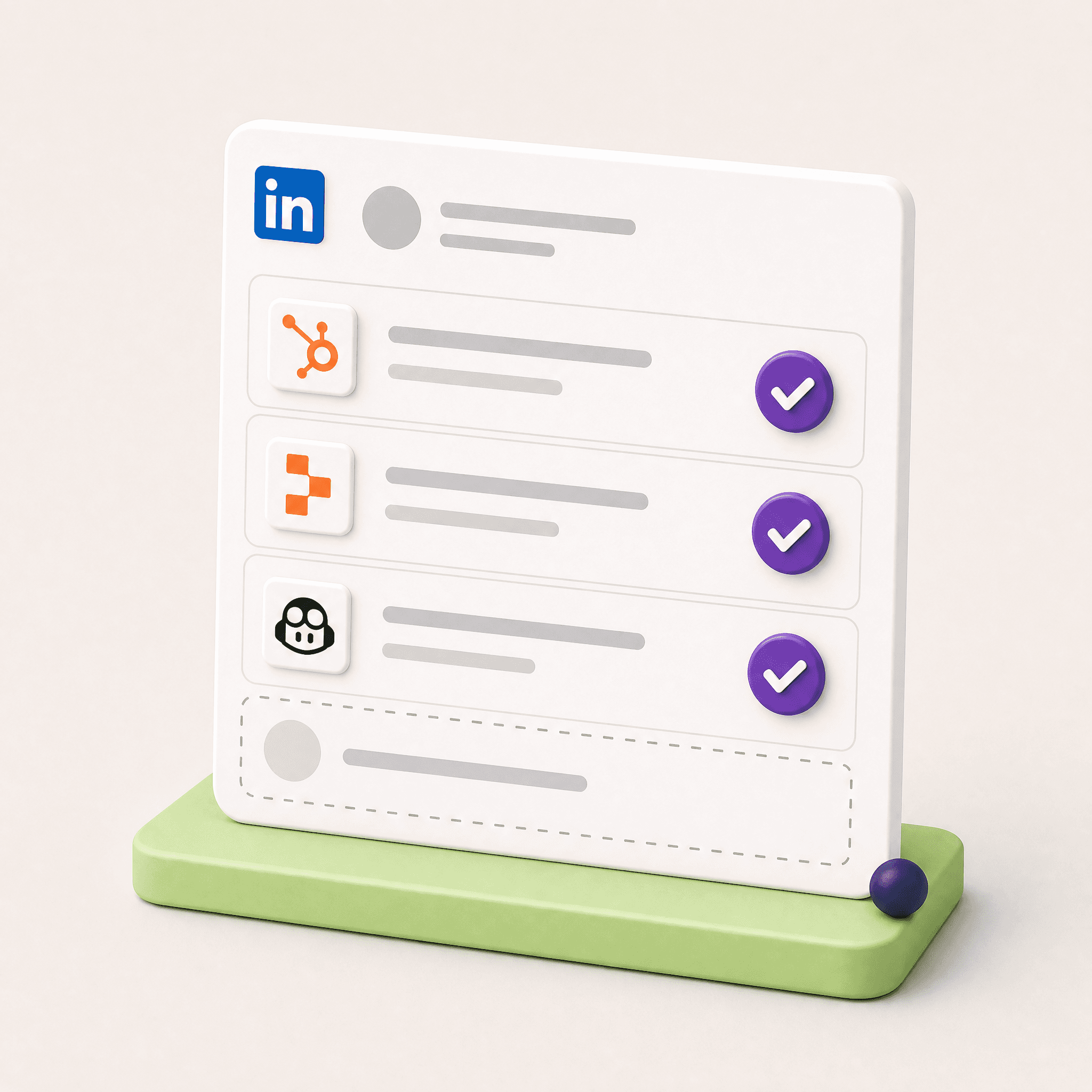
האפליקציות הראשונות: Descript, Duolingo, Lovable, Relay.app ו-Replit. כבר נוספו גם HubSpot ו-Buffer, ובדרך Adobe ו-GitHub Copilot. הרשימה גדלה כל הזמן.
מה לעשות עכשיו: עברו על סעיף הכישורים שלכם ושאלו על כל אחד "אני יכולה להוכיח את זה מדאטה אמיתי?". את האפליקציות שמגבות את המומחיות שלכם, חברו ברגע שהן זמינות. את הכישורים שיש שם רק כי היה נחמד, הורידו.
3. הפער של 113% מול 4%: AI Essentials for Marketers
ב-16 ביוני, ב-Cannes Lions, לינקדאין ו-Adobe השיקו תוכנית הכשרה בשם AI Essentials for Marketers. ארבעה מסלולי למידה חינמיים, שעתיים-שלוש כל אחד, ב-47 שפות, ב-LinkedIn Learning.
והנה שני נתונים ששווה לעצור עליהם. משרות שדורשות אוריינות AI בלינקדאין יותר מהכפילו את עצמן בשנה, עלייה של 113%. ובאותו זמן, רק 4% מאנשי השיווק בעולם הוסיפו כישורי AI לפרופיל שלהם.
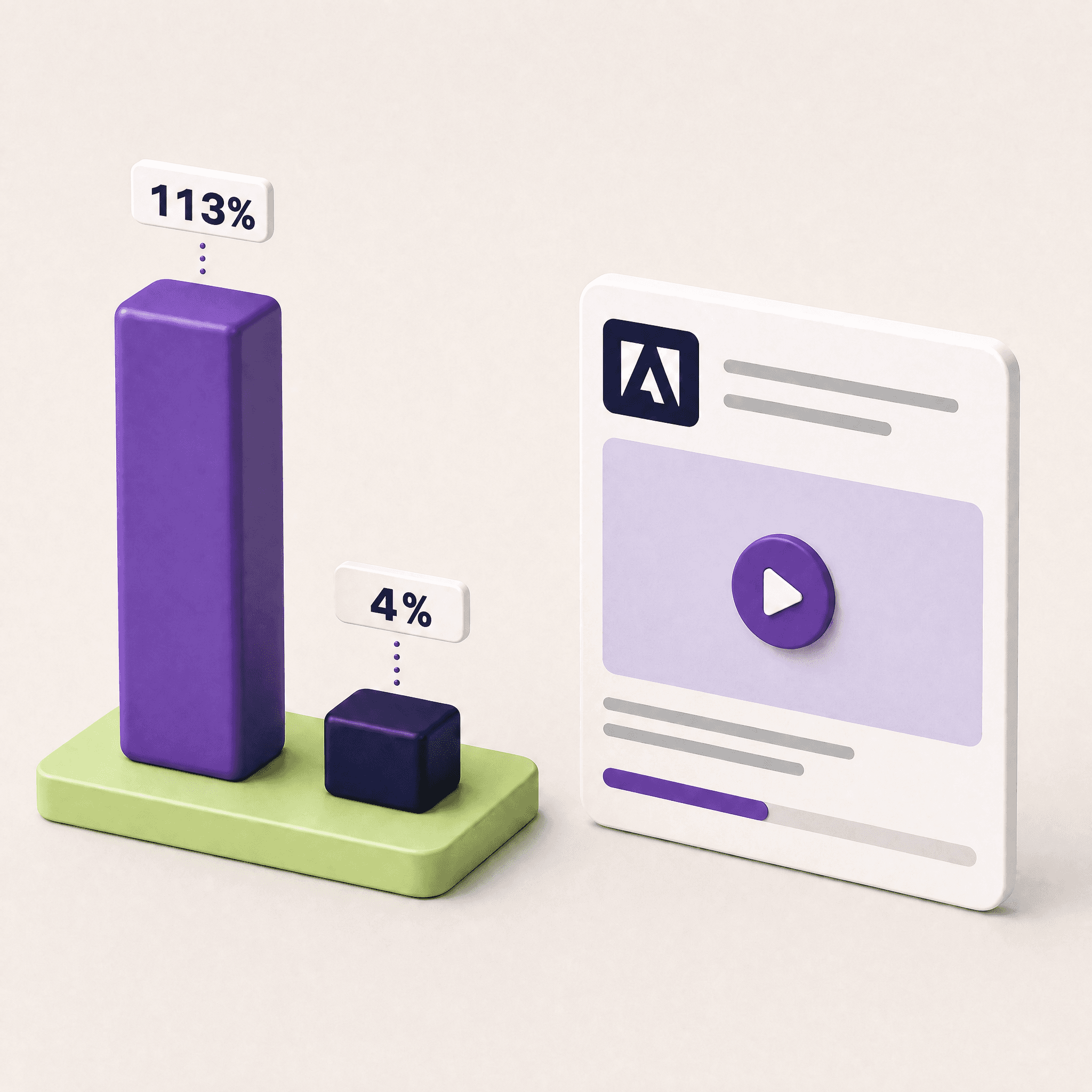
הפער הזה הוא ההזדמנות. הביקוש רץ קדימה, וכמעט אף אחד עוד לא סימן את עצמו. ותזכרו את סעיף 2: עכשיו, כשכישורים נהיים מאומתים, תעודה אמיתית בכישור AI שווה הרבה יותר משורה ריקה בפרופיל. ללמוד את זה, ואז להראות שלמדת, זה אותו מהלך.
מה לעשות עכשיו: קחו מסלול אחד מהארבעה, סיימו אותו, וחברו אותו לפרופיל כך שייראה כהוכחה ולא כהצהרה.
ואגב, בונוס קטן באותו שבוע: לינקדאין מרחיבה את כפתור ה-Boost במובייל, כך שיותר משתמשים יכולים לקדם פוסט אורגני בתקציב יומי מינימלי של 10 דולר. נוח, אבל זכרו שזה קידום בכסף, לא תחליף לתוכן שאנשים שומרים.
השורה התחתונה לשבוע הזה
לינקדאין ביוני 2026 עושה צעד ברור: היא מפסיקה לתגמל את מי שמדבר יפה על עצמו לבד, ומתחילה לתגמל את מי שמראה הוכחה ועובד בשיתוף. השיתוף הוא Collab Posts, ההוכחה היא Connected Apps, והדרך לסגור את הפער לפני כולם היא AI Essentials. שלושתם אותו מהלך.
אם מחר כל כישור שלכם היה צריך הוכחה מדאטה אמיתי, מה היה נשאר עומד?
נכתב על ידי חניתה יודובסקי, מנהלת שיווק במיקור חוץ עם דגש על לינקדאין כמנוע צמיחה לצד סוכני AI לעסקי B2B. עודכן ביוני 2026. התוכן נכתב בשילוב כלי AI עם אסטרטגיה ועריכה אנושית.
מקורות: LinkedIn Help, Collaborative Posts · ההכרזה של לינקדאין על פוסטים משותפים · Social Media Today, Connected Apps · TechRadar, Connected Apps · Fortune, Adobe ולינקדאין, AI Essentials · Social Media Today, Boost במובייל